
How to Choose the Right Hair System for Your Client
Choosing the right hair system for a client requires understanding their hair loss pattern, lifestyle, styling preferences, and expectations. For hair professionals, salons, and hair replacement specialists, recommending a suitable system is essential for achieving a comfortable fit and a natural-looking result.
With different base materials, hair types, densities, colours, and attachment methods available, selecting the right option can feel challenging. A proper consultation helps you understand your client’s needs and recommend a hair system that suits their individual requirements.
At Hair Source India, this guide explains the important factors to consider when choosing a hair system for your clients.
1. Understand Your Client’s Hair Loss Pattern
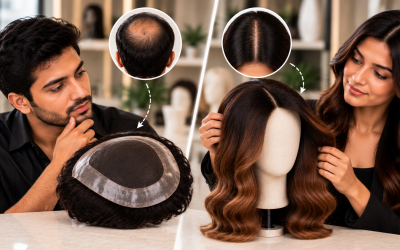
The first step is to assess your client’s current hair condition and determine the amount of coverage required.
Some clients may experience a receding hairline or thinning crown, while others may need coverage over a larger area of the scalp.
Consider the location and extent of hair loss, the amount of natural hair remaining, the size of the area requiring coverage, the condition of the scalp, and the client’s preferred hairstyle.
Understanding these factors helps you determine the appropriate system size, base construction, and fitting method.
If the client experiences sudden or unexplained hair loss, patchy hair loss, or persistent scalp irritation, recommend an assessment by a qualified healthcare professional.
2. Choose the Right Hair System Base Material
The base material influences the system’s appearance, durability, comfort, and maintenance requirements. The best choice depends on the client’s priorities and how frequently they plan to wear the system.
Lace Hair Systems
Lace hair systems use a fine mesh base that can create a natural-looking hairline when properly fitted. Their lightweight construction makes them an option for clients who prioritise a discreet appearance.
However, fine lace can be delicate and requires careful handling during application, cleaning, and removal.
Skin or Polyurethane Hair Systems
Skin hair systems use a polyurethane base that provides a smooth surface and can create a realistic-looking hairline, depending on the thickness and construction.
These systems are available in different base thicknesses. Thinner bases may provide a more discreet appearance but can require gentler handling. Comfort and durability vary by design.
Monofilament Hair Systems
Monofilament systems feature a mesh-like base with individually attached hair. They offer different options for hair direction, styling, and construction.
They can be suitable for clients looking for a balance between natural appearance and practical durability. The finished result depends on the specific base design and fitting method.
Hybrid Hair Systems
Hybrid hair systems combine materials such as lace and polyurethane to offer a combination of different characteristics.
They may be suitable for clients who want to balance hairline appearance, attachment preferences, and maintenance requirements. The ideal option depends on the system’s specific construction.
3. Select the Appropriate Hair Type
Hair type affects the overall appearance, styling flexibility, and maintenance routine. Understanding the difference between human and synthetic hair helps you recommend the right option.
Human Hair Systems
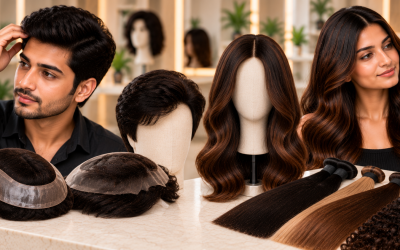
Human hair systems use real human hair and can offer natural movement and versatile styling options. Depending on the quality and processing, they may be suitable for clients who want to curl, straighten, or restyle their hair.
Before recommending a product, consider the hair quality, processing history, and recommended care requirements.
Synthetic Hair Systems
Synthetic hair systems use manufactured fibres designed to replicate the appearance of natural hair. Some are available in pre-styled finishes that retain their intended shape with relatively little restyling.
However, heat tolerance varies by fibre type, and many synthetic systems cannot be styled using conventional heat tools.
How to Choose Between Human and Synthetic Hair
Recommend a human hair system when natural movement and styling flexibility are priorities. Consider synthetic hair when the client prefers a pre-styled appearance and a different maintenance routine.
Explain the benefits, limitations, and ongoing care requirements of each option before making a recommendation.
4. Match Hair Colour and Texture
Colour and texture matching are essential for helping a hair system blend with the client’s existing hair and overall appearance.
Hair Colour Matching
Compare the system’s shade with the client’s natural hair, paying particular attention to the mid-lengths and ends. Consider warm, cool, or neutral undertones, grey hair, highlights, and colour variations under different lighting conditions.
Whenever possible, check colour samples in natural daylight. If necessary, discuss custom colour options or blended shades with your supplier.
Hair Texture Matching
Choose a texture that complements the client’s natural hair and desired hairstyle.
Straight: Suitable for sleek, smooth hairstyles.
Wavy: Creates movement and a softer finish.
Curly: Helps match naturally curly hair or achieve a defined curl pattern.
Matching the hair colour and texture can reduce styling effort and help create a more natural-looking result.
5. Choose the Right Hair Density
Hair density refers to the amount of hair attached to the system’s base. Selecting the right density is important for creating a balanced and realistic appearance.
A system that is too dense may look noticeably different from the client’s existing hair, while insufficient density may not provide the desired coverage.
Consider the client’s age, existing hair density, preferred hairstyle, hairline design, and coverage requirements before making a decision.
Whenever possible, review density samples or product photographs with the client. The aim is to achieve a balanced appearance that complements the client’s natural features.
6. Determine the Correct Hairline Design
The hairline has a significant impact on how natural a hair system looks. A suitable design should complement the client’s facial features, hairstyle, and natural hair growth pattern.
Consider the shape of the hairline and the amount of density at the front. Avoid excessive front density if the client prefers a softer, more natural-looking appearance.
Hair direction is also important. Discuss whether the client prefers to brush the hair backwards, create a side parting, or wear a forward hairstyle.
Choose a base construction that supports the desired hairline and styling preferences. A customised haircut and careful blending can further improve the finished result.
7. Select a Suitable Attachment Method
The attachment method affects the client’s wearing experience, maintenance schedule, and removal process. The right option depends on the system design, scalp condition, lifestyle, and personal preferences.
Adhesive Attachment
Compatible hair systems may be secured using a suitable scalp adhesive. Correct application and safe removal are essential to help prevent damage to the base and irritation of the scalp.
Double-Sided Tape
Hair system tape provides an attachment option for compatible bases. Different tape products may suit different wearing preferences and maintenance requirements.
Clips
Some hair systems can be attached to existing hair using clips. This option allows removal without adhesive when sufficient suitable natural hair is available.
Professional Fitting
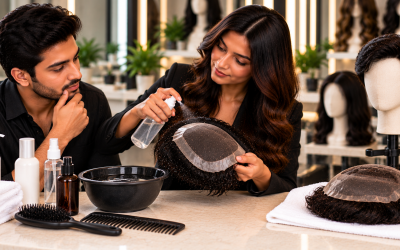
Professional fitting can help determine the appropriate positioning, attachment method, and maintenance routine, particularly for clients who are new to hair systems.
Always follow the manufacturer’s instructions and use attachment products suitable for the system and the client’s skin. If irritation occurs, discontinue the offending product and seek appropriate advice.
8. Consider the Client’s Lifestyle
The best hair system is not necessarily the one with the most advanced features. It is the one that suits the client’s daily routine and maintenance preferences.
For Active Clients
Consider how perspiration, exercise, friction, and frequent washing may affect attachment and maintenance. Recommend a suitable system and explain the necessary aftercare.
For Busy Professionals
Consider systems and care routines that fit the client’s available time for styling and upkeep.
For Clients Who Travel Frequently
Discuss portability, maintenance supplies, and access to professional servicing when needed.
For First-Time Wearers
Prioritise comfort, manageable maintenance, and clear instructions on how to care for the system.
For Clients Who Enjoy Styling
Explore suitable hair types and base designs that support the client’s preferred hairstyles.
Explain the maintenance requirements and the possibility of periodic adjustments or replacement before the client makes a final decision.
9. Evaluate Scalp Condition and Comfort
Scalp condition should be considered before recommending an attachment method.
Ask whether the client has a history of skin sensitivity, adhesive reactions, or scalp discomfort. Avoid applying adhesives to irritated, broken, or inflamed skin.
A properly fitted system should not cause persistent pain, excessive tension, or ongoing irritation.
For clients with known skin sensitivities, consider whether a different attachment approach may be appropriate. Recommend professional medical advice when necessary, and never assume that a product labelled skin-friendly is suitable for everyone.
10. Explain Maintenance and Aftercare
Client education is an important part of a successful hair system service. Before completing the fitting, explain how the system should be cared for at home.
Cleaning
Recommend cleaning products and methods compatible with the specific hair and base materials. Following the manufacturer’s instructions can help preserve the system’s condition.
Brushing and Styling
Demonstrate gentle detangling and explain how to minimise pulling on the hair and base. Careful brushing can help reduce unnecessary stress on the system.
Heat Styling
Explain whether the system is suitable for heat styling. Recommend heat protection and moderate temperatures when appropriate, and check the manufacturer’s instructions for synthetic fibres.
Attachment Maintenance
Discuss when the system may need professional removal, cleaning, reattachment, or adjustment. Explain the importance of safe removal rather than pulling the system off forcefully.
Replacement Planning
The lifespan of a hair system depends on its construction, frequency of use, styling habits, and maintenance routine. Explain the expected care requirements without promising a fixed lifespan for every product.
Clear aftercare instructions help clients maintain the system’s appearance and understand their ongoing responsibilities.
11. Create a Personalised Consultation
A structured consultation helps hair professionals recommend suitable systems consistently and communicate clearly with clients.
During the consultation, assess the client’s hair loss pattern, required coverage, head measurements, preferred base material, and choice of human or synthetic hair.
Discuss hair colour, texture, density, hairline design, and attachment method. Consider the client’s lifestyle, scalp condition, product sensitivities, budget, and replacement expectations.
Use this information to compare available products and explain why a particular option may meet the client’s requirements.
A personalised approach can help set realistic expectations and make the selection process easier for both the professional and the client.
Common Mistakes to Avoid When Choosing a Hair System
Choosing a System Based on Appearance Alone
A system may look attractive but still be unsuitable for the client’s lifestyle or maintenance preferences. Consider fit, comfort, and long-term care alongside appearance.
Selecting Excessive Hair Density
Too much density can make a system look unnatural. Choose a density that complements the client’s existing hair and desired hairstyle.
Ignoring Scalp Sensitivity
Always consider the client’s scalp condition before recommending adhesives or other attachment products.
Overlooking Lifestyle Requirements
A client who prefers minimal maintenance may need a different option from someone who enjoys regular styling and professional servicing.
Failing to Explain Aftercare
Clients should understand cleaning, brushing, styling, removal, and maintenance before leaving the salon.
Making Unrealistic Promises
Explain the expected benefits and limitations of the selected system honestly. Product lifespan and performance vary depending on construction, usage, and care.
Frequently Asked Questions
1. What Is the Best Hair System for a First-Time Client?
The best option depends on the client’s hair loss pattern, preferred appearance, scalp condition, budget, and maintenance expectations. A consultation can help identify a suitable and manageable starting point.
2. Which Hair System Base Looks the Most Natural?
Lace, thin polyurethane, monofilament, and hybrid bases can all create natural-looking results when appropriately selected and fitted. The best choice depends on the hairline design, base construction, and client’s priorities.
3. Should I Recommend Human Hair or Synthetic Hair?
Human hair may suit clients who prioritise natural movement and styling flexibility. Synthetic hair may suit those who prefer a pre-styled appearance. Explain the care requirements and limitations of each option before making a recommendation.
4. How Do I Select the Correct Hair System Density?
Consider the client’s existing hair, desired hairstyle, hairline design, and preferred appearance. The goal is to achieve balanced coverage without creating an obviously different density.
5. How Often Does a Hair System Need Maintenance?
Maintenance frequency depends on the attachment method, product construction, wearing schedule, and individual circumstances. Follow the manufacturer’s guidance and assess the system regularly.
6. Can Clients Exercise While Wearing a Hair System?
Some systems are suitable for active lifestyles, but perspiration, friction, and water exposure may affect comfort or attachment. Recommend a suitable system and explain the necessary maintenance precautions.
7. Can a Hair System Damage the Client’s Natural Hair?
Incorrect fitting, excessive tension, unsuitable attachment products, and forceful removal can contribute to hair breakage or scalp irritation. Proper selection, safe removal, and appropriate maintenance help reduce these risks.
8. Can Hair Systems Be Customised?
Many systems can be customised through suitable cutting and styling. Adjustments to colour, density, or size may also be possible, depending on the product and available services.
Conclusion
Choosing the right hair system for a client requires a personalised approach. Hair loss pattern, base material, hair type, colour, density, hairline design, attachment method, and maintenance expectations all influence the final result.
By taking time to understand the client’s needs and explaining the available options, hair professionals can recommend a system that supports a natural-looking appearance and a manageable wearing experience.
Hair Source India can be a starting point for exploring available hair system options. Review the product specifications carefully and select a solution that aligns with the client’s requirements.
Looking for hair systems for your salon or clients? Explore the available collection at Hair Source India and identify the options that best suit your professional needs.

Eu et tellus vestibulum taciti et sit, nunc enim ipsum donec aliquam vitae, per mauris, amet ultrices. Pellentesque amet proin ut vestibulum eleifend nam, wisi vel tellus pulvinar mi risus consectetuer, sed faucibus facilisi, accumsan nam.
Aute mi ut suspendisse velit leo, vel risus ac. Amet dui dignissim fermentum malesuada auctor volutpat, vestibulum ipsum nulla.
Sed reprehenderit quam, non felis, erat cum a, gravida lorem a. Ultricies in pellentesque ipsum arcu ipsum ridiculus velit magna, ut a elit est. Ultricies metus arcu sed massa. Massa suspendisse lorem turpis ac.